Organisms in a community depend on each other. This is interdependence. Animals depend on plants and other animals for food, and many plants depend on animals for pollination and seed dispersal. If one species is removed, other species in the community can be affected.
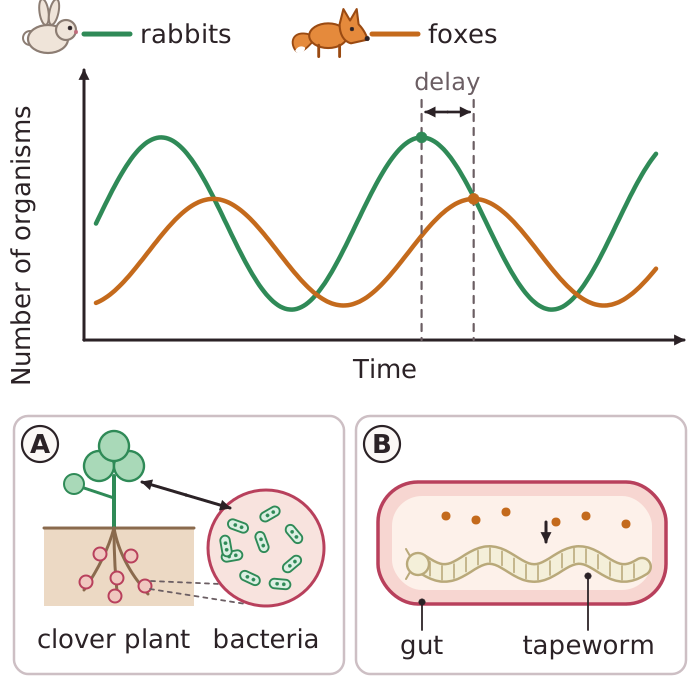
There are three important feeding relationships. In predation, a predator kills and eats its prey. Predator and prey numbers rise and fall in linked cycles. When prey numbers rise, predators have more food and their numbers rise. More predators eat more prey, so prey numbers fall, and then the predators have less food and their numbers fall. In mutualism, both species benefit. Clover has root nodules containing bacteria that turn nitrogen from the air into nitrogen compounds the plant can use, and the plant gives the bacteria sugars. In parasitism, a parasite lives on or in a host. The parasite benefits and the host is harmed. A tapeworm in the gut and a flea on a dog are parasites.
Organisms also compete for resources that are in limited supply. Plants compete for light, water, space and mineral ions from the soil. Animals compete for food, water, shelter, mates and territory. A species that competes less well may decline, which affects the rest of the community.