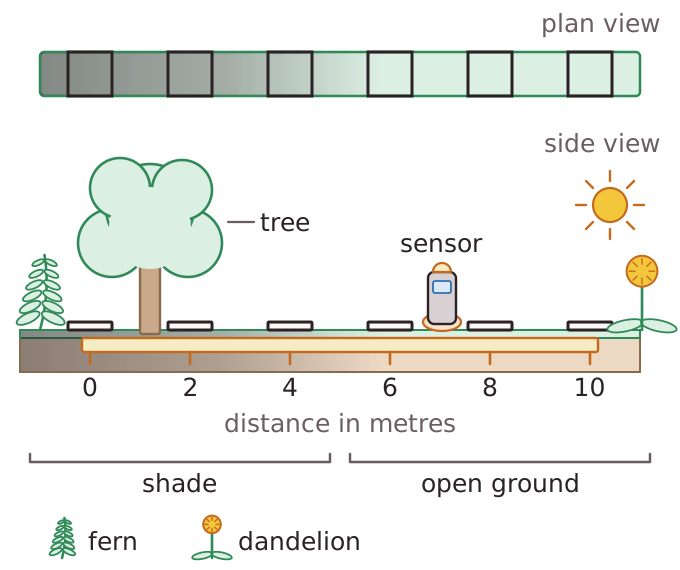
This core practical investigates how the distribution of organisms changes along an environmental gradient, for example from a shaded area under a tree to an area with no shade. The method uses a belt transect. A tape measure is laid out along the gradient, and a quadrat, a square frame of known size, is placed at regular intervals along it, for example every 2 metres. A belt transect samples a strip as wide as the quadrat, so the whole gradient is covered.
At each position the student identifies the plants inside the quadrat, using a key or identification chart, and counts how many of each species there are. Plants such as grass are often recorded as a percentage cover instead. The student also measures an abiotic factor at each position, such as light intensity with a light meter or soil moisture. The same size of quadrat is used every time, so the results can be compared.
To make the results reliable the transect is repeated in other places and a mean is calculated for each distance. The student then looks for a link between the abiotic factor and the distribution of each species. A typical result is that ferns and mosses are found in the shade, while dandelions and grasses are more common in the open where light intensity is higher. Safe and ethical practice means wearing gloves where needed, and not leaving the organisms damaged or the habitat disturbed.