 BRAINCAKE
Sympatric Speciation
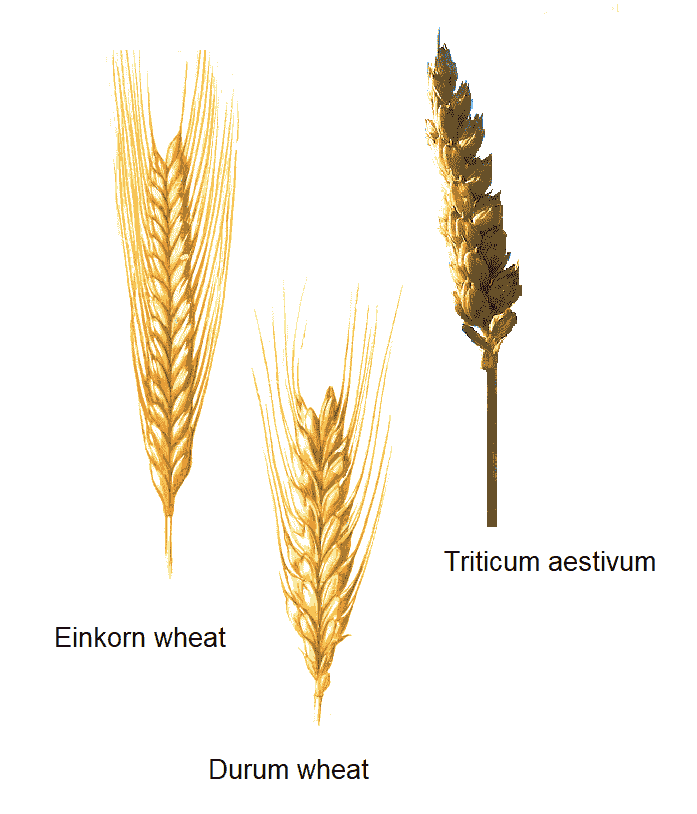
Sympatric speciation occurs more commonly in plants than animals and occurs less than allopatric speciation. The different species occupy the same habitat but have evolved to fill different niches or have become reproductively isolated in some way.
Sign in free to see the rest of this lesson, the R.E.C.I.P.E. recall steps and the quiz
BrainCake is free. Make an account in seconds and pick up where this page stops.
Key terms in this lesson
- Gene flow
- The transfer of alleles between populations, caused by the migration of individuals or gametes.
- Reproductive isolation
- The prevention of gene flow between populations because they are unable to interbreed successfully, a necessary condition for speciation.
- Allopatric speciation
- The formation of new species as a result of populations becoming geographically separated, preventing gene flow, so that they diverge genetically over time.
More in Genetics and Variation
- Epistasis
- The Hardy-Weinberg Principle
- Changes in Allele Frequencies
- Population Bottlenecks and The Founder Effect
- Types of Selection
- Species
- Allopatric Speciation
- Artificial Selection
All 36 lessons in Genetics and Variation · All OCR A-level Biology topics