Intraspecific competition is competition between individuals of the same species. It is usually the most intense form of competition, because members of the same species have exactly the same needs: the same food, the same nest sites and the same mates.Its effect on population size follows a pattern:
1. When a population is small, resources are plentiful, so most individuals survive and breed and the population grows.
2. As the population grows, each individual gets fewer resources.
3. Some individuals fail to get enough, so the death rate rises and the birth rate falls.
4. Population growth slows and the population levels off, then fluctuates around the carrying capacity.
5. If the population falls, competition eases and numbers rise again.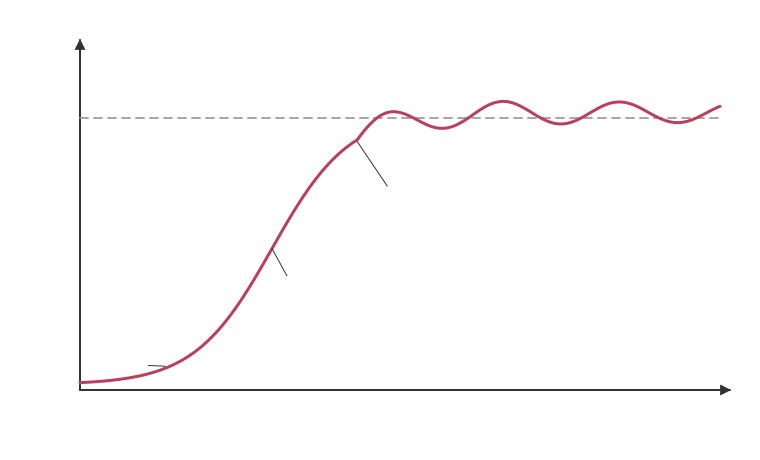
1. When a population is small, resources are plentiful, so most individuals survive and breed and the population grows.
2. As the population grows, each individual gets fewer resources.
3. Some individuals fail to get enough, so the death rate rises and the birth rate falls.
4. Population growth slows and the population levels off, then fluctuates around the carrying capacity.
5. If the population falls, competition eases and numbers rise again.