Skip to content

Excretion

Excretion is the removal from the body of metabolic waste.The main metabolic waste products in mammals are
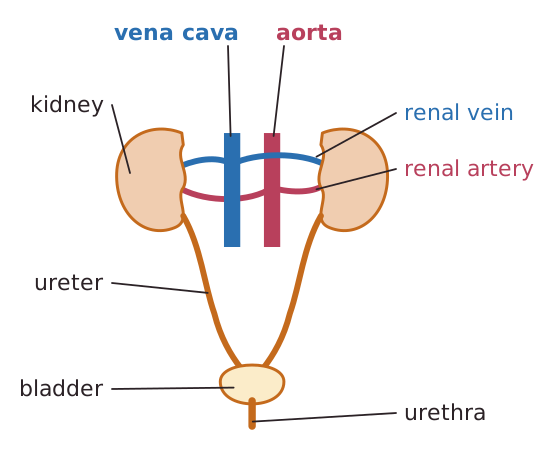
  • carbon dioxide from cellular respiration which is excreted from the lungs
  • bile pigments from the breakdown of haem from old red blood cells, which is released into the small intestine
  • urea - a nitrogenous waste product formed from carbon dioxide and ammonia from the breakdown of amino acids.

Read the text

Read the text and highlight anything you think is important. When you go on, the text is hidden and you answer from memory.

Specification: AQA Biology (7402), A-level, 3.6.4.3 Control of blood water potential. Topic: Homeostasis.

Key terms in this lesson

plasmid
A small, circular piece of DNA, separate from the main bacterial chromosome, often used as a vector in genetic engineering.
recombinant DNA
DNA formed by joining together DNA from two different organisms, for example a gene inserted into a plasmid vector.
hormone
A chemical messenger, secreted by an endocrine gland directly into the blood, that travels to target cells bearing complementary receptors and brings about a response.
insulin
A hormone secreted by the beta cells of the islets of Langerhans in response to a rise in blood glucose concentration, which lowers blood glucose by stimulating cells to take up and use or store glucose.

More in Homeostasis

All 33 lessons in Homeostasis · All AQA A-level Biology topics