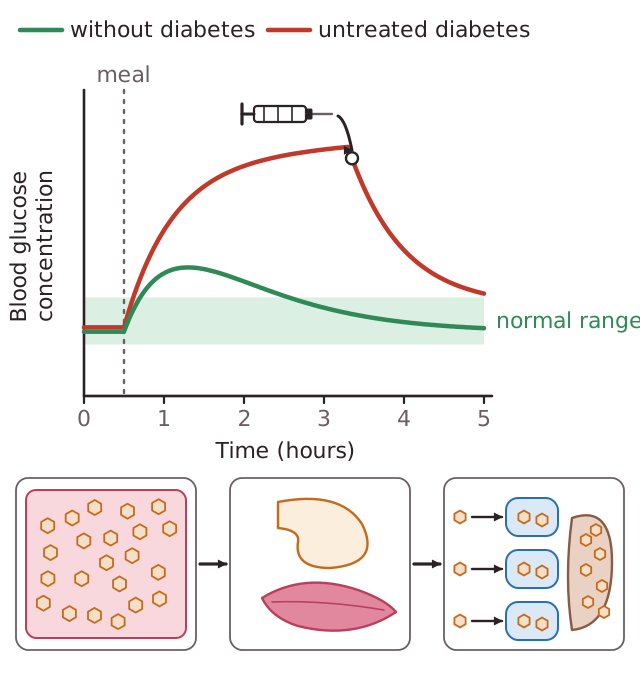
The pancreas monitors and controls the concentration of glucose in the blood. After a meal the blood glucose concentration can become too high. The pancreas then releases the hormone insulin, which causes glucose to move out of the blood and into the cells. In liver and muscle cells the extra glucose is converted to glycogen, which is a store. The blood glucose concentration then falls back to normal.
Higher tier only: if the blood glucose concentration is too low, the pancreas releases the hormone glucagon. Glucagon causes glycogen to be converted back into glucose, which is released into the blood. Insulin and glucagon work against each other in a negative feedback cycle. A change in blood glucose triggers a response that reverses the change.
In Type 1 diabetes the pancreas fails to produce enough insulin, so the blood glucose stays uncontrollably high. It is normally treated with insulin injections. In Type 2 diabetes the body cells no longer respond to the insulin that the pancreas makes. Common treatments are a carbohydrate controlled diet and an exercise regime. Obesity is a risk factor for Type 2 diabetes.
On a graph of blood glucose over time, a person without diabetes shows a rise after a meal followed by a fall as insulin acts. A person with untreated Type 1 diabetes shows a level that rises and stays high, and it falls only after an insulin injection.