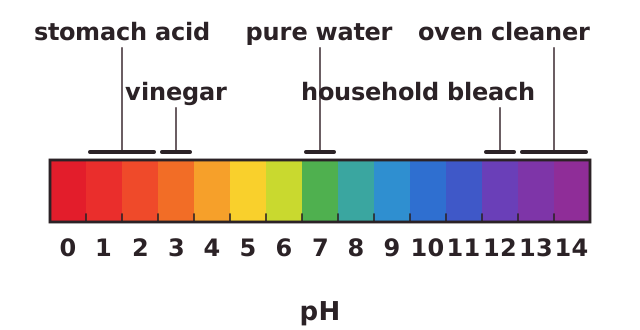
Chemists compare how acidic or alkaline solutions are using the pH scale. The pH scale runs from 0 to 14. A solution with a pH below 7 is acidic, and the lower the number the more acidic it is. A solution with a pH above 7 is alkaline, and the higher the number the more alkaline it is. A solution with a pH of exactly 7 is neutral. Pure water is neutral.
Some common examples help you remember the scale. Stomach acid has a pH of about 1 or 2, vinegar is around 3, pure water is 7, and household bleach and oven cleaner are at the high end near 12 to 14.
A common mistake is to think that alkalis are somehow stronger than acids. They are not. A pH of 13 is very alkaline, but a pH of 1 is just as far from neutral on the acid side. The pH scale is simply a way of measuring how acidic or alkaline a solution is, whichever side of 7 it lies on.