Chemical reactions are accompanied by an energy change. Energy is not lost or used up. It is transferred between the chemicals and their surroundings, such as the water in a beaker, the air or the container.
An exothermic reaction transfers energy to the surroundings, so the temperature of the surroundings increases. Combustion, neutralisation and many oxidation reactions are exothermic. A candle burning is exothermic, even though it needs a flame to start it.
An endothermic reaction takes in energy from the surroundings, so the temperature of the surroundings decreases. Thermal decomposition and the reaction of citric acid with sodium hydrogencarbonate are endothermic.
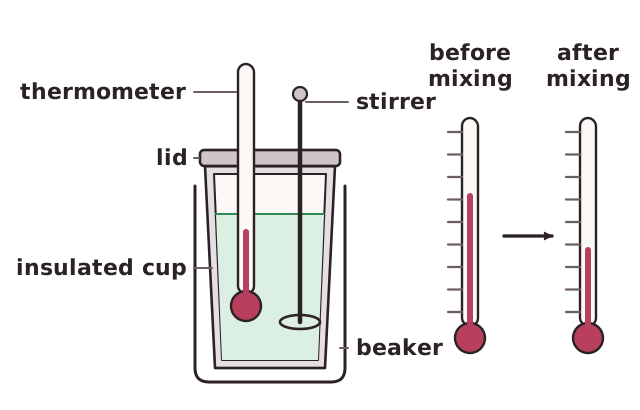
To tell which type a reaction is, measure the temperature of the surroundings with a thermometer before and after mixing. Use a lid and an insulated cup to reduce energy transfer to the air, and stir the mixture. A rise in temperature shows an exothermic reaction and a fall shows an endothermic reaction.