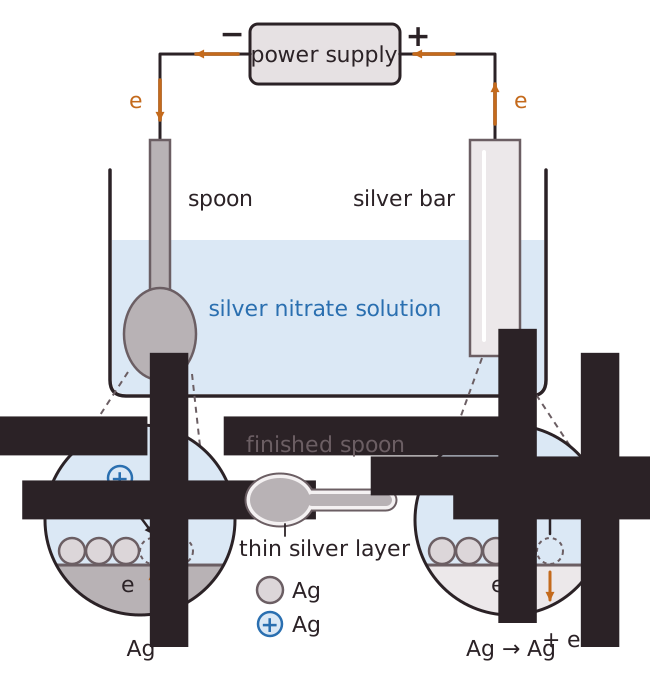
Electroplating uses electrolysis to coat an object with a thin layer of metal. The object to be plated is the cathode, the negative electrode. The anode is a bar of the plating metal. The electrolyte is a solution containing ions of the plating metal. To silver plate a spoon, the spoon is the cathode, a bar of silver is the anode and the electrolyte is silver nitrate solution.
At the cathode, metal ions gain electrons and form metal atoms on the surface of the object: Ag+ + e- → Ag. At the anode, metal atoms lose electrons and dissolve as ions, which keeps the electrolyte topped up with metal ions.
Electroplating is used to improve appearance, for example silver or gold on jewellery, or shiny chromium on taps. It is also used to improve resistance to corrosion. A coating of chromium, nickel or tin keeps oxygen and water away from the steel beneath. A thin plated layer costs far less than making the whole object from an expensive metal.