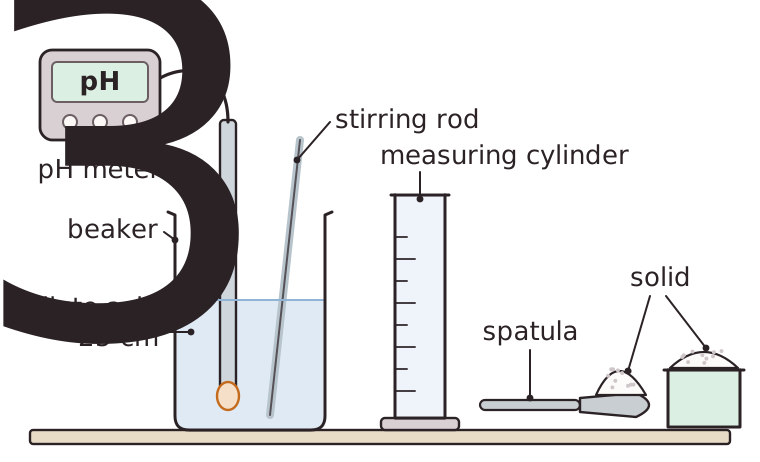
In this core practical you investigate how the pH of dilute hydrochloric acid changes as you add powdered calcium hydroxide or calcium oxide. Both are bases and neutralise the acid.
Method: use a measuring cylinder to put a fixed volume of dilute hydrochloric acid, for example 25 cm3, into a beaker. Measure its starting pH with a pH meter or probe. Add one spatula measure of the powder, stir well, and measure the pH again. Keep adding one spatula at a time, stirring and recording the pH each time, until the powder stops dissolving and some is left over.
Variables: the independent variable is the amount of powder added. The dependent variable is the pH. You control the volume and concentration of the acid, the temperature, and how long you stir.
Expected result: the pH starts low, at about 1, and rises as more powder is added, because the base uses up the hydrogen ions. It passes pH 7 when the acid is neutralised, then levels off in the alkaline range once there is excess powder. Calcium hydroxide and calcium oxide are irritants, so wear eye protection.