 BRAINCAKE
DNA Hybridisation
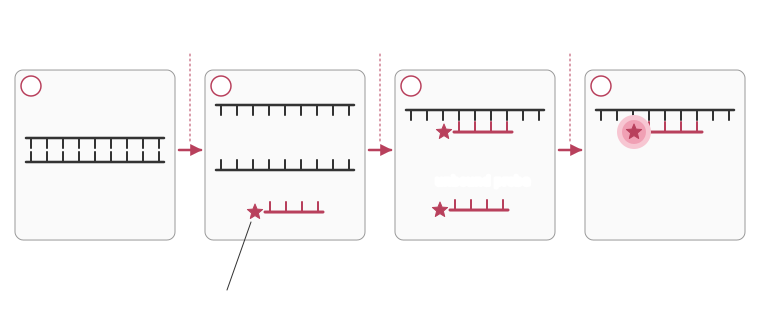
DNA hybridisation is the binding of a single strand of DNA (or RNA) to another single strand with a complementary base sequence. It is how a DNA probe finds its target.
1. The DNA sample to be tested is heated to around 95 °C. This breaks the hydrogen bonds between complementary bases, so the double helix separates into single strands.
2. The labelled probe is added.
3. The mixture is cooled. Complementary bases pair up and new hydrogen bonds form. If the sample contains a sequence complementary to the probe, the probe binds to it, forming a hybrid double strand of probe and sample DNA.
Sign in free to see the rest of this lesson, the R.E.C.I.P.E. recall steps and the quiz
BrainCake is free. Make an account in seconds and pick up where this page stops.
Key terms in this lesson
- allele
- One of two or more alternative versions of a gene, occupying the same locus on homologous chromosomes.
More in Genetic Engineering and Biotechnology
- Patenting
- GM animals
- Gene Therapy
- DNA Probes
- Locating Specific Alleles with Probes
- Genetic Screening
- Genetic Counselling
- Personalised Medicine
All 23 lessons in Genetic Engineering and Biotechnology · All AQA A-level Biology topics