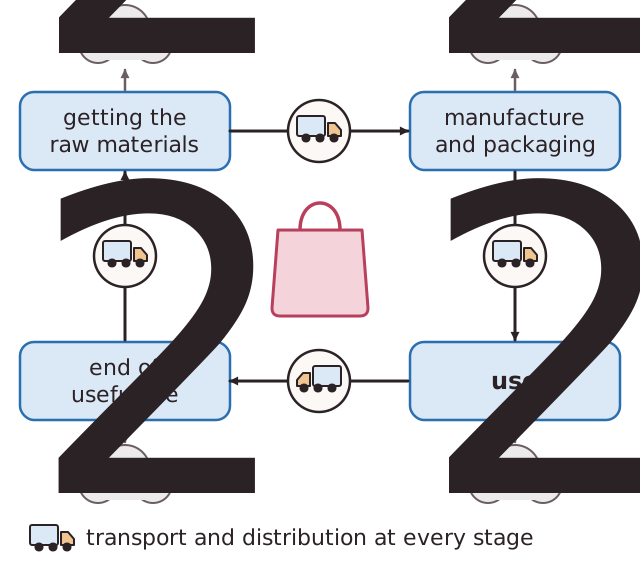
The carbon footprint is the total amount of carbon dioxide and other greenhouse gases given out over the full life cycle of a product, service or event. For a product, the life cycle includes getting the raw materials, making it, transporting it, using it and disposing of it. A product that uses lots of energy at each stage has a large carbon footprint.
The carbon footprint can be reduced by cutting emissions of carbon dioxide and methane. Actions include using renewable energy such as wind and solar power instead of fossil fuels, improving energy efficiency, using public transport or electric vehicles, and planting trees. Methane emissions can be cut by reducing the amount of waste sent to landfill, by recycling, and by capturing the methane from landfill sites to use as a fuel.
Some actions are limited. Renewable energy can have a high cost to set up and may not work all the time, for example solar panels at night. Some people cannot afford electric cars, or lack public transport. Many countries rely on fossil fuels for jobs and energy, and they may not agree to act together.